
Steven Michaëlis – Founder of the SAS Method
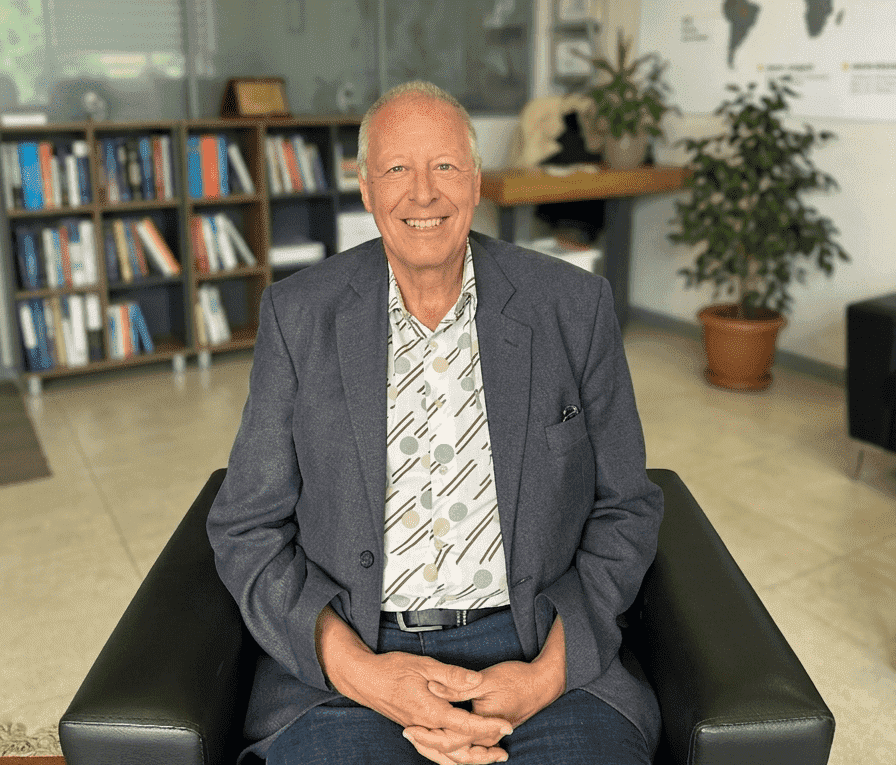 The SAS Method did not emerge from a single moment of inspiration. Instead, it is the culmination of a fifty-year chain of discovery, where each experience served as an essential foundation for the next. Steven Michaëlis describes this evolution as a journey through sound, science, and the human mind:
The Evolution of a Method:
- 1966 | The Foundation: My journey began at a young age, working as a sound engineer in a Dutch beat club, learning the raw physics of audio.
- 1970 | Technical Mastery: I established a successful loudspeaker import business, deepening my technical understanding of how sound is delivered and perceived.
- 1979 | Time Inspiration: I contributed to the design of the sound system for Wembley Stadium. This project was pivotal, providing me with deep expertise in optimizing speech intelligibility within complex environments.
- 1987 | Shifting Focus: I began organizing conferences on learning methodologies, moving from the technical aspects of sound to how humans process information.
- 2003 | Neural Discoveries: These combined paths led to intensive research into brainwave and hemispheric synchronization, exploring the bridge between auditory input and cognitive function.
- 2009 | The SAS Legacy: The first SAS Centre was established, merging decades of acoustic and cognitive research into a definitive therapeutic approach.
"The story of Steven Michaëlis is the evolution of a fifteen-year-old boy with a soldering iron, struggling to organize the acoustic chaos of rock concerts, into a pioneer capable of organizing the neural chaos of the human brain."
Chapter 1: The Foundation
From Beat Club to First Recordings
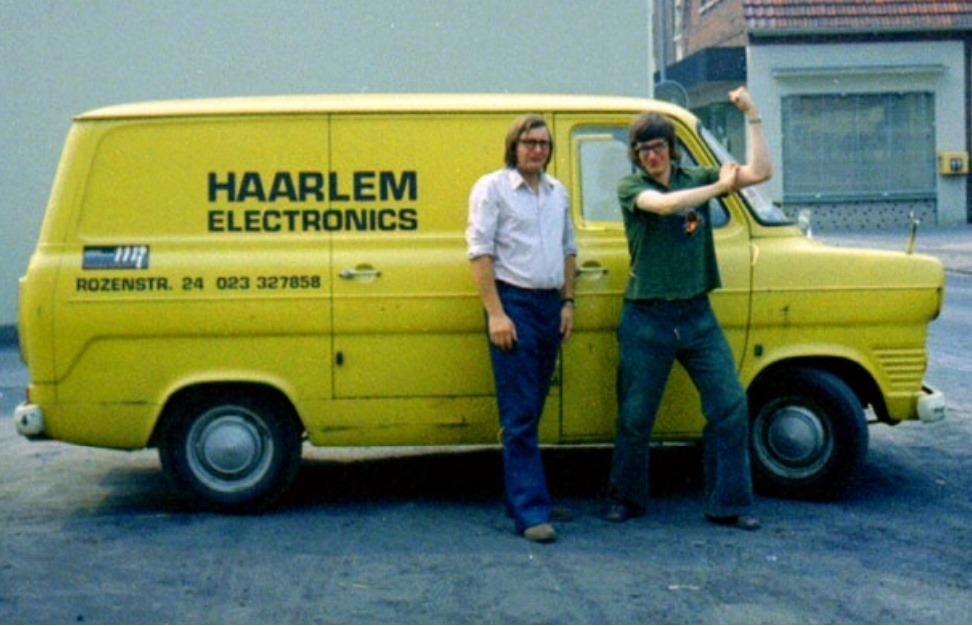
In October 1966, in the Netherlands, a beat club based in a modest youth centre, became a defining starting point for a young sound enthusiast. At just 15 years old, while working with a stereo reel-to-reel tape recorder, Steven developed a critical insight: music is not only a performed experience but also a system that can be technically captured and recorded.
This realization led to his first engineering problem. The dense, multi-layered, and chaotic acoustic nature of live performances required technical organization to be transformed into a clear recording format. Steven placed a stereo microphones on stage, repurposed old equipment to create additional microphones, and built his first mixing system. In doing so, he moved beyond being a passive observer of sound and began developing a design-oriented approach that manages various acoustic streams.
The club also became a learning environment where he directly engaged with prominent musical groups of the time. On November 5, 1967, he recorded a performance by John Mayall and the Bluesbreakers. On June 1, 1968, he recorded a live performance by Pink Floyd featuring guitarist Syd Barrett. These experiences deepened his technical observational skills at an early age and laid the foundation for the methodological approach he would later develop.
Chapter 2: Technical Mastery
Polyphony and Vertical Time
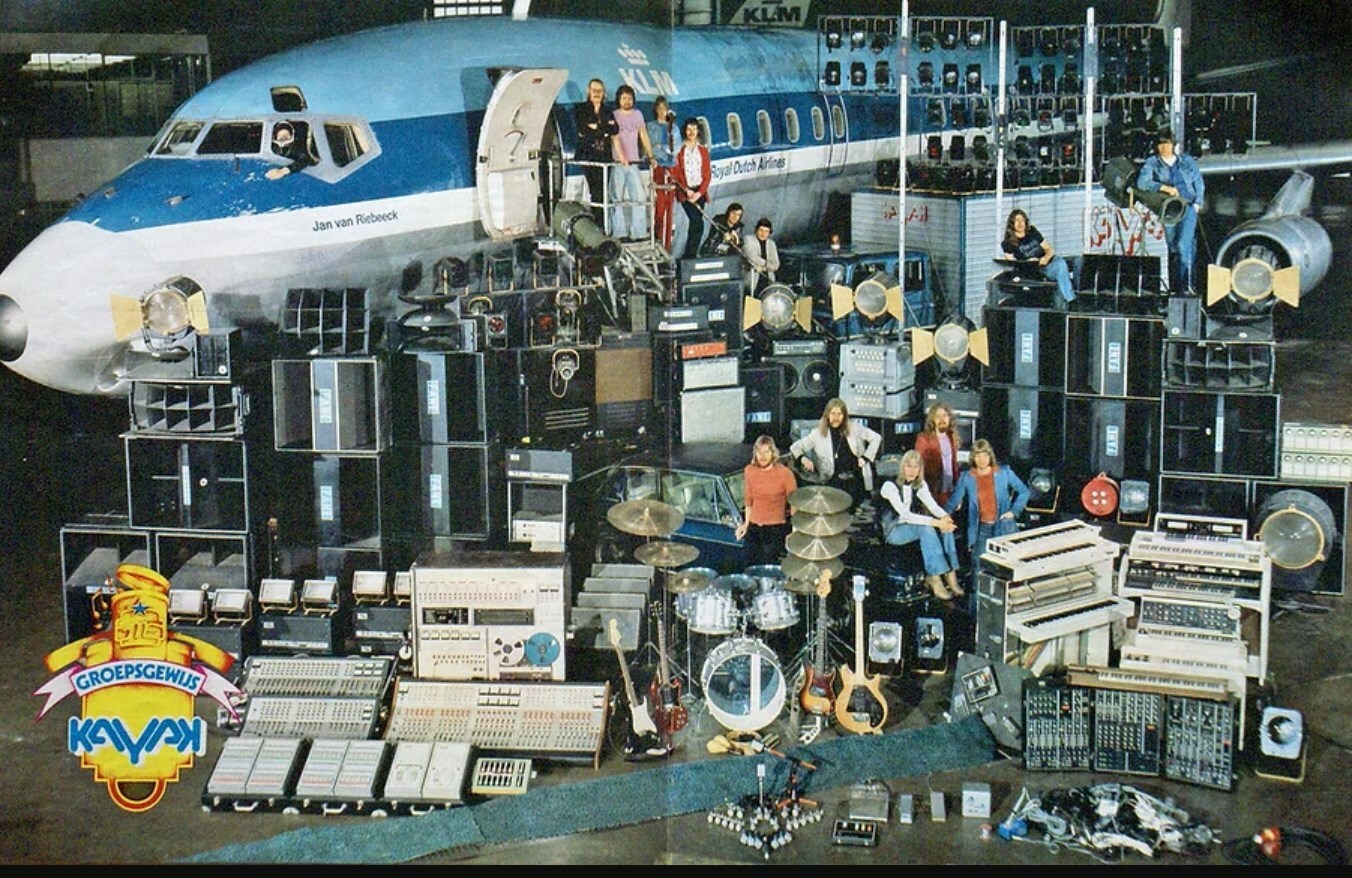
Steven’s early days in the beat club scene were more than a formative phase; they were the catalyst for a rigorous, lifelong inquiry into sound technology. Alongside his brother, he began distributing high-performance loudspeakers in the Netherlands — a venture that quickly evolved from a thriving business into a deep dive into electroacoustic design and sound physics. His expertise soon drew international attention, leading him to a prestigious sound research and production organisation in London.
This success provided more than just equipment experience; it granted Steven a profound technical mastery of sonic behaviour. It was then, amidst the orbit of Pink Floyd, that his perspective began to shift. By observing the work of Alan Parsons, Steven saw first-hand how multi-layered recording could create a cinematic, immersive world. Another true conceptual turning point arrived in December 1974 whilst working alongside Queen and their support band "Kayak". It sparked his interest in the production techniques used by Queen, including Bohemian Rhapsody, which was released the following year. Its staggering 180 meticulously layered vocal tracks redefined his understanding of musical organization. Music was no longer just an aesthetic pursuit; it was a complex, temporally organized structure.
This experience birthed the framework Steven calls "Vertical Time". While Pink Floyd mastered the linear, horizontal flow of sound, Queen’s polyphony demonstrated a simultaneous existence of layers within a single moment. He realized that when timing discrepancies of even a fraction of a second can compromise a work, time in music becomes more than a sequence — it becomes a high-stakes, multi-dimensional architecture.
Chapter 3: Time Inspiration
The Architect of Sync
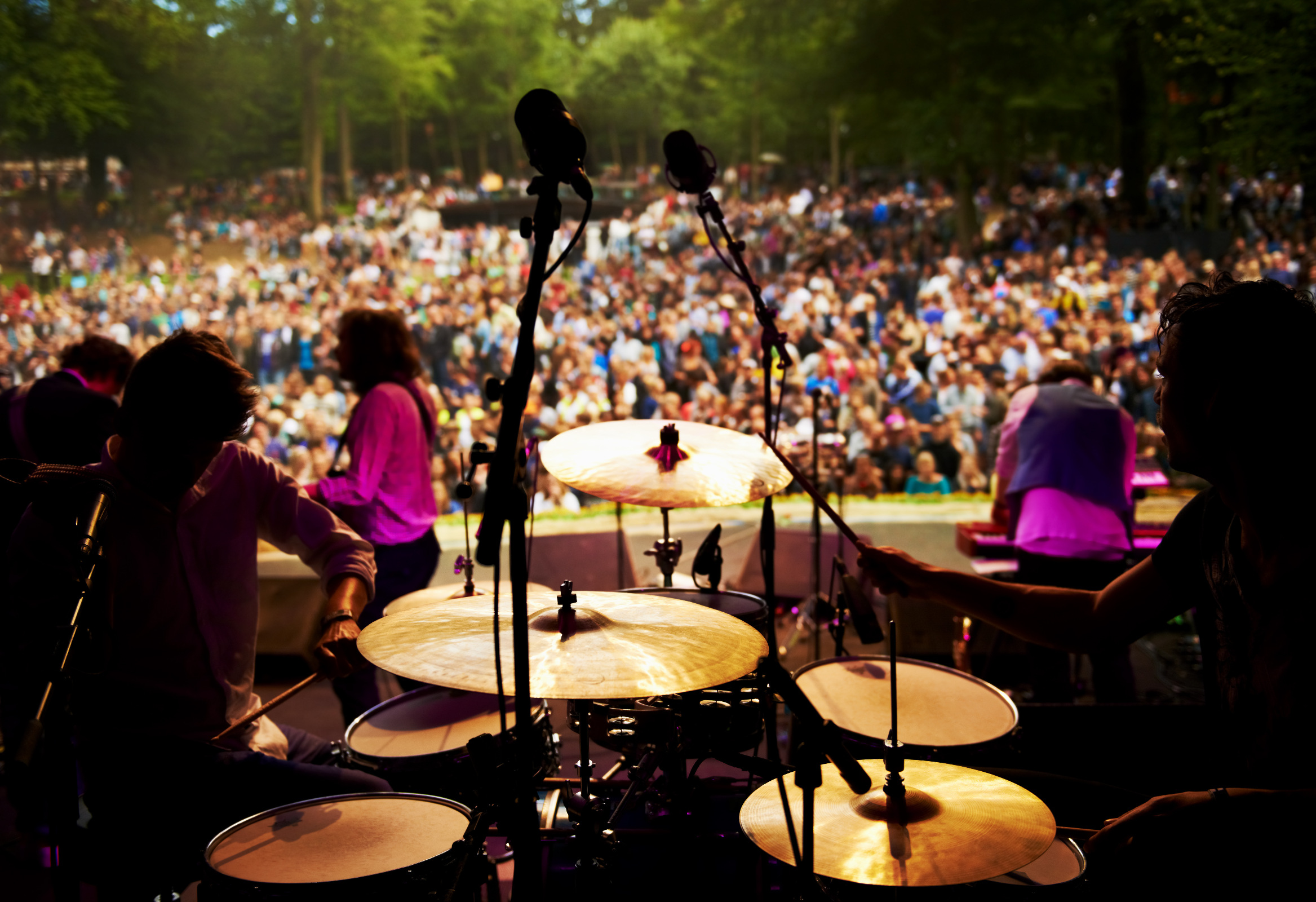
While cut from the cloth of studio precision, Steven’s true mastery lay in his obsession with temporal rhythm. To him, the ticking clocks opening Pink Floyd’s Time weren’t just a clever production choice; they were a haunting reminder of time’s relentless, linear march.
Years later, inside the towering concrete bowl of Wembley Stadium, that philosophical obsession met a brutal physical reality. He realized the greatest engineering hurdle of his career wasn't measured in metres, but in milliseconds.
Because sound travels at a finite velocity, depending on air pressure and temperature, a stadium of Wembley's scale becomes a chaotic "echo field." For 90,000 fans, the experience was historically a disjointed mess — those at the back heard the sound nearly a full second after those at the front.
Steven’s task was to defeat this informational chaos through "Time Engineering". The solution involved highly directional speakers, carefully calculated delays and frequency filtering. Rather than simply cranking up the volume, Steven deployed a sophisticated network of custom-build speakers. The strategy relied on a counterintuitive principle: to make the sound arrive at the same time, it had to be sent at different times. Additionally signals were frequency-filtered to ensure clarity over long distances.
At the 1985 Live Aid concert, when Freddie Mercury struck the opening piano chord of Bohemian Rhapsody, the result was a technical triumph. From the front row to the highest rafters, tens of thousands of people felt the note hit simultaneously. It wasn't a miracle. It was the perfect alignment of art and physics — made possible by applying the techniques that Steven had now mastered and that turned the inevitability of time into a tool for unity.
Chapter 4: Shifting Focus
From Technology to Humanity

Inspired by his wife Kaśka — a Polish author and psychotherapist — Steven was drawn into a world far removed from his background in engineering. He was initially sceptical: how could "just words" exert such a profound influence on human behaviour and well-being? Yet, over time, his technical mindset expanded into a kaleidoscope of human complexity, embracing the nuances of emotion and the "illogical" patterns of the mind.
Together, they advanced from parenting skills facilitators to master trainers, supporting both established families and expectant couples. For nearly two decades, they also curated biennial international conferences on progressive education, collaborating with leading global researchers. Today, Steven and Kaśka are driven by a shared conviction: that how we learn matters far more than what we learn, and that parents are the ultimate architects of a child’s development.
Chapter 5: Neural Discoveries
The Cognitive Brainwave
During a 2003 education conference, Steven was struck by a transformative "what if." He wondered if his extensive background in acoustic engineering could be fused with his growing fascination with the human condition to create something entirely new: a technique to sharpen learning and strengthen emotional well-being.
What followed was a decade of rigorous research. While early experiments focused on brainwave entrainment and interhemispheric activation, Steven’s primary mission was supporting children on the autistic spectrum. This meant placing sensory processing and speech at the top of his priority list. Rather than settling for isolated solutions, Steven began to experiment with "stacking" these methods — layering diverse acoustic techniques into combined, high-impact protocols.
This breakthrough evolved into what is today's SAS Method. It is a holistic, science-backed approach that draws on a range of proven, effective interventions to help people of all ages achieve rapid neurological, psychological and physiological balance.
Chapter 6: The SAS Legacy
Professional and Personal

Quietly working behind the scenes Steven combined his deep knowledge of technology, neurology, and psychology to create the very first SAS programs. The results were personal before they were professional — observing the positive impact on himself and his wife gave Steven the confidence to launch wider trials and by February 2009, the first SAS Centre was born.
Today, the SAS Method is a mature, evidence-based system defined by its ease of use and effectiveness:
- Zero-Effort Therapy: It works without the need for physical movement or even conscious attention — you can even benefit while you sleep.
- Therapy on Your Terms: No clinic visits required. Access your personalized audio sessions anywhere via our app.
- Bespoke Programming: We don’t believe in "one size fits all." Every program is customized to your unique profile.
- Rapid Results: Our intensive protocols are designed to create lasting change in under four weeks.
- Holistic Activation: By targeting multiple neurological and physiological pathways at once, we ensure a comprehensive therapeutic experience.
- Connected Care: Your SAS Provider is with you every step of the way, monitoring your progress through our secure digital platform.
Spanning more than 15 countries in Europe and the Middle East, our network of hundreds of accredited SAS Providers offer SAS courses and personal support to a client base of many thousands.
Epilogue: An Engineer with Human Values
Just the beginning ...

Steven Michaëlis occupies the thin, vibrant space where technology meets the human heart. In the 1980s, as the industry transitioned from the "imperfections" of analog to the "perfection" of digital, Steven recognized a looming loss. He became a champion for the natural character of sound, reminding us that true value lies in the subtle nuances and "breath" that cold data often overlooks.
His philosophy elevates engineering to a form of philosophy. Steven sees potential, possibility, and inherent perfectness in every individual. Rather than focusing on diagnoses or labels, he operates from the conviction that every human being has the capacity to learn, evolve, and thrive. His work centres on identifying the barriers that block a person's innate abilities. By utilizing a myriad of SAS techniques to reprogram obsolete habits, Steven facilitates the release of the latent potential waiting to emerge.
From the roar of Wembley Stadium to the quiet complexity of the human nervous system, Steven’s life work has been a search for harmony. He has spent decades ensuring that as our world becomes more technical, it does not become less human.
And that search continues ...
